
Levothyroxine looks simple because it replaces a hormone the body normally makes on its own, yet small differences in how the medicine is taken can have a much larger effect than patients expect. It is a synthetic form of thyroxine, or T4, and is used primarily when the thyroid gland cannot produce enough thyroid hormone to maintain normal body function.
Losartan Options from Mexican Pharmacies
Currently Available from Selected Sellers
-
Farmacias Klyns BrandUSD $13.87
-
Farmacias Benavides BrandUSD $10.19
-
Farmacias YZA BrandUSD $28.55
-
Farmacias Guadalajara GenericUSD $11.02
-
Farmacias del Ahorro BrandUSD $60.98
Disclaimer! This website is intended for general information only and does not operate as an online pharmacy. Speak with a doctor or another qualified healthcare professional before buying or using any medication.
When Levothyroxine Is Used
The main purpose of levothyroxine is to replace thyroid hormone when natural production is inadequate. The correct amount is highly individual because thyroid requirements depend on the underlying condition, age, body size, pregnancy status, cardiovascular health, absorption and several other factors.
- Hypothyroidism. This is the most common reason for long-term levothyroxine treatment and can follow autoimmune thyroid disease, thyroid surgery, radioactive iodine treatment or other causes of reduced thyroid function.
- After thyroid removal. Patients who have had all or most of the thyroid removed often require ongoing hormone replacement.
- TSH suppression in selected thyroid conditions. Higher-intensity replacement may be used in certain patients after treatment for differentiated thyroid cancer, with the target selected by the treating specialist.
- Special endocrine situations. Treatment can also form part of the management of other thyroid disorders where replacement or suppression has been specifically indicated.
Levothyroxine Dosages
Levothyroxine is available in a fairly wide range of strengths because the dose has to be adjusted much more precisely than with many everyday medicines. Common tablets may contain 25, 50, 75, 88, 100, 112, 125, 137 or 150 mcg, with additional strengths available depending on the manufacturer and market. The difference between two neighboring doses may look small on the box, but even an increase of 12.5 or 25 mcg can noticeably change thyroid hormone levels over time.
The dose a patient uses depends on how much thyroid hormone the body still produces, TSH and free T4 results, age, body weight, other health conditions and the reason treatment was started in the first place. Someone with mild hypothyroidism may need only a relatively low dose, while a patient whose thyroid has been completely removed can require substantially more replacement hormone. Doctors are also usually more cautious when increasing the dose in older patients or people with heart disease because too much thyroid hormone can increase heart rate and place additional strain on the cardiovascular system.
Changes are generally made gradually and followed by another thyroid blood test after the new dose has had enough time to take effect. Too little levothyroxine can leave symptoms such as tiredness, feeling cold, constipation and sluggishness unresolved, while too much can cause symptoms closer to an overactive thyroid, including palpitations, tremor, sweating, anxiety or unexplained weight loss. For this reason, the strength printed on the prescription is worth checking carefully each time the medication is purchased, especially after a dose adjustment.
Brand and Generic Levothyroxine in Mexico
Levothyroxine in Mexico is sold under several familiar brand names as well as lower-cost pharmacy-label versions. Synthroid from Abbott is one of the best-known branded products, while Eutirox, Karet and Amet are also widely listed by major Mexican pharmacy chains. Alongside them, Farmacias Benavides and Farmacias del Ahorro sell their own levothyroxine products, usually at a much lower price.
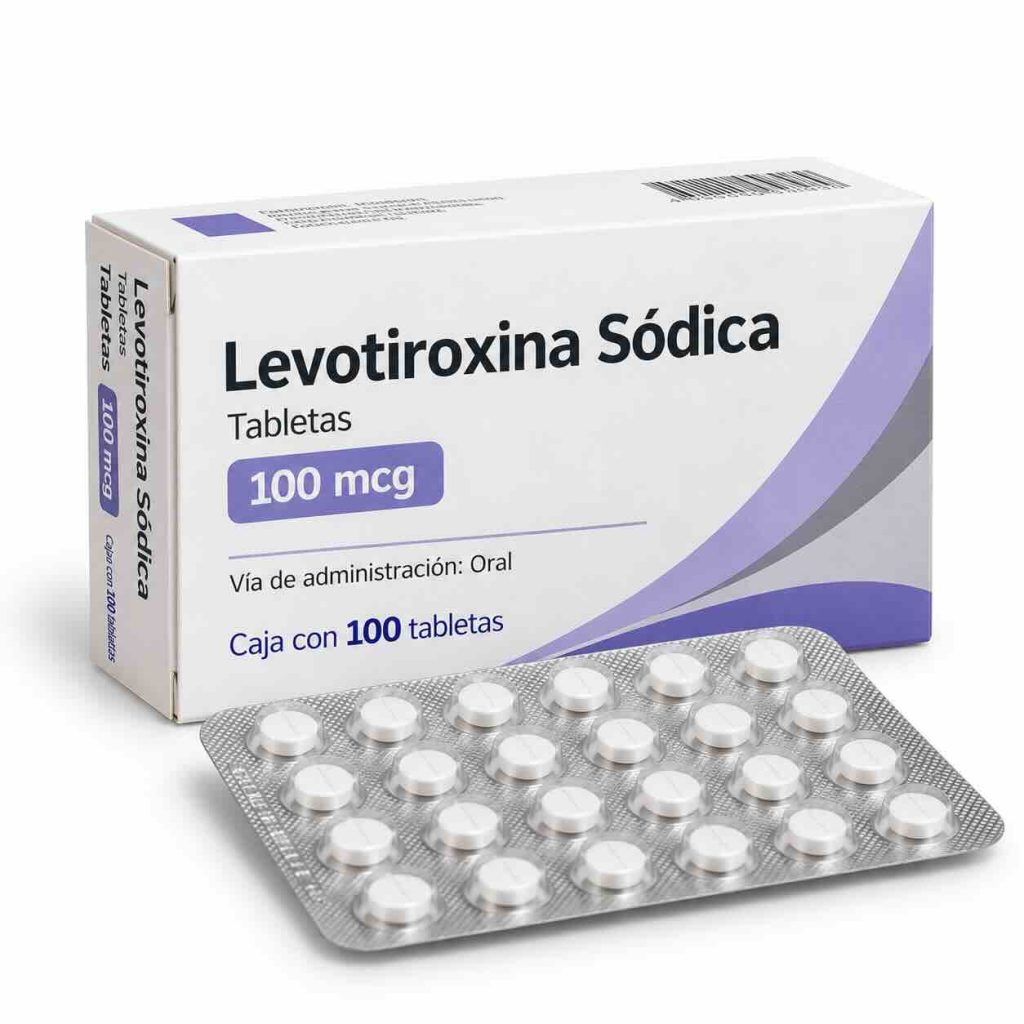
The difference becomes easy to see when the same 100 mcg strength is compared. At Farmacias Benavides, a 30-tablet box of Synthroid 100 mcg is currently listed at MXN $375, while its pharmacy-label levothyroxine 100 mcg comes in a much larger 100-tablet package for MXN $120. Other branded options sit between these two ends of the market, and package size varies considerably from one product to another.
Levothyroxine 100 mcg:
| Product | Type | Manufacturer / Pharmacy | Package | Current Price |
|---|---|---|---|---|
| Synthroid | Brand | Abbott | 30 tablets | MXN $375 |
| Eutirox | Brand | Merck | 50 tablets | MXN $350* |
| Karet | Brand | Armstrong | 50 tablets | MXN $383 |
| Amet | Brand | Investigación Farmacéutica | 50 tablets | MXN $220* |
| Levothyroxine – Benavides | Pharmacy-label generic | Farmacias Benavides | 100 tablets | MXN $120 |
| Levothyroxine – Del Ahorro | Pharmacy-label generic | Farmacias del Ahorro | 100 tablets | MXN $120 |
*Promotional online price shown by the pharmacy at the time of checking. Prices and availability can change.
Package size is worth watching here because the number on the shelf can give a distorted impression. Synthroid 100 mcg at MXN $375 contains 30 tablets, while the Benavides and Del Ahorro versions listed at MXN $120 contain 100 tablets.
Food and Supplements Can Change Absorption
Levothyroxine absorption is sensitive to how the medicine is taken. Food can reduce or delay absorption, while calcium, iron, certain antacids, bile-acid sequestrants and some other medicines or supplements can interfere more substantially.
The important point is consistency. A patient who takes levothyroxine in the same manner every day gives the clinician a more reliable basis for interpreting thyroid tests, while repeatedly changing between fasting use, use with breakfast and use close to supplements can make an otherwise unchanged dose behave differently.
Safety Information
Dose-related effects. Levothyroxine has a relatively narrow dosing range, which means that even a modest change in dose can become noticeable once thyroid hormone levels have had time to adjust. Too much replacement may cause palpitations, tremor, sweating, nervousness, heat intolerance, trouble sleeping, diarrhea or unexplained weight loss. An insufficient dose can leave fatigue, constipation, dry skin, cold intolerance, slowed thinking and other hypothyroid symptoms unresolved.
Heart and circulation. Extra caution is usually needed in older adults and in people with coronary artery disease, arrhythmias or other cardiovascular problems. Increasing thyroid hormone can raise heart rate and cardiac workload, and excessive replacement may contribute to angina or abnormal heart rhythms. For these patients, treatment commonly starts at a lower dose and is adjusted more gradually.
Bone health. Persistently high levothyroxine doses can suppress TSH for long periods and increase bone turnover. This is especially relevant for postmenopausal women and patients who already have osteoporosis or other risk factors for bone loss. The concern is generally related to long-term overtreatment, not to properly adjusted thyroid replacement.
Absorption and other medicines. Calcium, iron, aluminum-containing antacids, bile-acid sequestrants and several other products can reduce how much levothyroxine is absorbed. Food can also change absorption, which is why consistency in how and when the tablet is taken is important. Starting or stopping another medicine or supplement can sometimes change thyroid test results even when the levothyroxine dose itself has stayed the same.
Changes in treatment. Switching between strengths, manufacturers or formulations may occasionally require closer monitoring, particularly in patients whose thyroid levels have been difficult to stabilize. The same applies after substantial weight changes, pregnancy, major changes in diet or the introduction of medicines that affect thyroid hormone absorption or metabolism.
Monitoring. Levothyroxine is usually followed with TSH and, when appropriate, free T4 testing. Because thyroid hormone levels change gradually, blood tests are generally repeated several weeks after a meaningful dose adjustment instead of immediately afterward. The target dose is the amount that restores appropriate thyroid hormone levels without pushing the patient into over-replacement.
When to Recheck Thyroid Levels
Levothyroxine is one of the medicines where repeated manufacturer changes deserve more attention than they might for many ordinary generic drugs. Different approved products contain the same active hormone, but maintaining a consistent product and administration routine can reduce unnecessary variability for a patient who is already stable.
When a substantial dose change or clinically relevant product change occurs, thyroid laboratory testing is commonly repeated after enough time has passed for a new steady state to develop. The clinician can then decide whether the new product and dose are producing the intended TSH and thyroid-hormone levels.
Levothyroxine Is Not a Weight-Loss Medicine
Because untreated hypothyroidism can cause weight gain and thyroid hormone influences metabolism, levothyroxine is sometimes misunderstood as a medicine that can simply be increased to promote weight loss. Using excessive thyroid hormone for this purpose can cause serious cardiovascular, bone and metabolic harm.
The goal of replacement is to restore an appropriate thyroid state for the individual patient, not to push thyroid hormone above the required range.