
Furosemide is different from many long-term cardiovascular medicines because patients can often notice what it is doing within the same day. It is a loop diuretic, sometimes called a “water pill,” and increases the amount of sodium and water removed through the kidneys, which is why it is frequently used when the body is retaining more fluid than it should. The visible effect can make furosemide seem straightforward, but the amount of urine produced is only one part of the treatment. Removing too much fluid can lower blood pressure, change kidney function and disturb sodium, potassium, magnesium and other electrolytes, so long-term use often requires more monitoring than the tablet itself suggests.
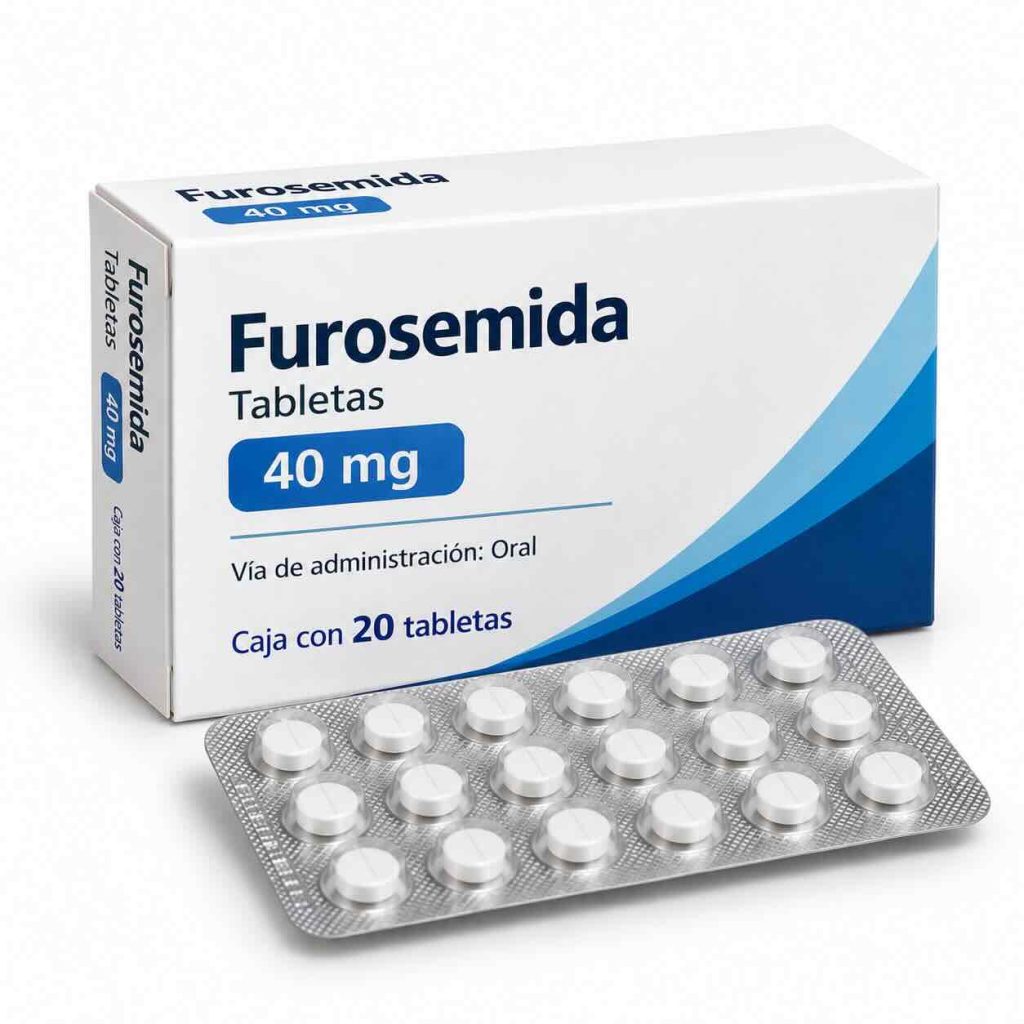
Mexico Furosemide Prices
Available through our partner pharmacies
-
Prixz GenericUSD $1.10
-
Farmacias Similares GenericUSD $0.72
-
Walmart México GenericUSD $0.94
-
Farmacia Soriana GenericUSD $1.40
-
Farmacias YZA BrandUSD $18.51
Disclaimer! This website is intended for general information only and does not operate as an online pharmacy. Speak with a doctor or another qualified healthcare professional before buying or using any medication.
Common Uses of Furosemide
Furosemide is mainly used when excess fluid or blood-pressure control requires a strong diuretic effect. The reason for fluid retention matters because swollen ankles after a long day and medically significant edema caused by heart, kidney or liver disease are very different situations.
- Edema associated with heart failure. Removing retained sodium and water can reduce swelling and congestion when fluid accumulation is part of the condition.
- Fluid retention associated with kidney disease. Furosemide is used in selected renal conditions where a loop diuretic is appropriate.
- Edema associated with liver disease. It can form part of a carefully monitored diuretic plan in patients with significant fluid retention.
- Hypertension. Furosemide can also lower blood pressure, although other antihypertensive classes are often used for uncomplicated long-term hypertension.
The Timing of a Diuretic Changes Everyday Life
One practical feature of furosemide is difficult to miss: increased urination can interfere with work, travel and sleep if the treatment schedule does not fit the patient’s day. A dose taken too late can lead to repeated nighttime trips to the bathroom, while delaying or skipping a prescribed dose because someone plans to leave home can disrupt fluid management.
The schedule therefore becomes part of treatment, especially for people taking more than one daily dose. Patients should follow the timing selected by the prescriber and ask how to handle unusual situations instead of repeatedly moving doses according to convenience.
Why Furosemide Is So Common in Mexico
Furosemide has remained a familiar medicine in Mexico because it is used across several very common chronic conditions, including heart failure, edema related to kidney or liver disease, and selected cases of hypertension. The 40 mg tablet has been part of routine treatment for decades and is found both in public-sector medicine lists and in the regular catalogs of large retail pharmacy chains.
Price also keeps generic furosemide widely accessible. Major Mexican chains sell inexpensive private-label versions, usually in 40 mg tablets, while the original Lasix brand is still available for patients who use the branded product. This creates a market where the same active ingredient can be found at very different price levels without being difficult to locate.
Another reason it appears so often in Mexican pharmacy searches is that treatment is frequently long term. Patients using furosemide for chronic fluid retention may refill it month after month, which keeps demand steady and gives pharmacies a reason to maintain generic and branded versions in regular stock.
Safety Information
Dehydration and low blood pressure. Furosemide can remove a substantial amount of fluid in a relatively short period, especially after the dose is started or increased. Excessive fluid loss can cause weakness, dizziness, dry mouth, intense thirst, low blood pressure or fainting, and the risk rises when vomiting, diarrhea, fever, heavy sweating or very hot weather is already causing additional fluid loss.
People taking furosemide for heart failure, kidney disease or significant edema should avoid changing fluid intake or skipping doses repeatedly without medical guidance. The amount of fluid a person should drink can vary considerably according to the condition being treated, kidney function and whether another diuretic is also being used.
Electrolyte changes. Furosemide can lower potassium, sodium, magnesium and calcium because these minerals are lost together with water through the kidneys. Mild changes may cause few symptoms, while larger abnormalities can produce muscle cramps, unusual weakness, fatigue, confusion, tingling or abnormal heart rhythms.
Potassium deserves particular attention because both low potassium and some attempts to correct it can create problems. Supplements or potassium-rich salt substitutes should therefore be used according to the treatment plan rather than added automatically whenever cramps or weakness appear.
Kidney function. Creatinine and other measures of kidney function may change during treatment, particularly when diuresis becomes too aggressive or the patient is already dehydrated. Monitoring is especially common in people with chronic kidney disease, heart failure or a treatment plan that includes several blood-pressure medicines at the same time.
Drug interactions. NSAIDs such as ibuprofen and naproxen can reduce the diuretic and blood-pressure effect of furosemide and may increase kidney stress in susceptible patients. Lithium requires particular caution because furosemide can alter lithium handling by the kidneys and contribute to higher blood concentrations. Other antihypertensive medicines can increase the likelihood of low blood pressure, while corticosteroids and some laxatives can contribute to additional potassium loss.
- NSAIDs: may weaken the diuretic response and increase kidney risk in some patients.
- Lithium: can reach higher blood concentrations and may require closer monitoring.
- Other diuretics: can produce a stronger fluid and electrolyte effect when combined.
- Blood-pressure medicines: may increase dizziness or symptomatic hypotension.
- Corticosteroids and certain laxatives: can add to potassium loss during treatment.
Hearing changes. Furosemide can occasionally affect hearing, particularly with high doses, rapid intravenous administration, severe kidney impairment or combination with other medicines that can damage the ear. Ringing in the ears, sudden hearing reduction or another new auditory change should be reported promptly.
Uric acid and gout. Furosemide can increase uric acid levels and may trigger gout in susceptible patients. Someone with a history of gout should mention this before treatment, especially if attacks become more frequent after starting or increasing the dose.
Blood sugar. Glucose control can also shift in some patients, particularly those with diabetes. People already monitoring blood sugar may need closer observation after major dose changes or when furosemide is added to a more complex cardiovascular treatment plan.
Long-term monitoring. Furosemide is often used for months or years, so follow-up usually includes more than asking whether swelling has improved. Blood pressure, body weight, kidney function, electrolytes and changes in other medicines can all help show whether the current dose is still producing the intended level of fluid removal without causing excessive losses.
The Scale Can Be More Useful Than the Mirror
When furosemide is being used for chronic fluid retention, body weight can sometimes show a change before ankle swelling becomes obvious. Fluid can build up gradually in the legs, abdomen or lungs, and a person may notice only that shoes feel tighter or breathing becomes a little more difficult, while the scale has already moved by several pounds.
The same applies in the opposite direction. A noticeable drop in weight over a short period can mean that a large amount of fluid has been removed, which may be exactly what treatment was intended to achieve, or it may suggest that diuresis has become too aggressive. The number becomes more useful when it is measured under similar conditions, usually at roughly the same time of day and with similar clothing.
For some patients with heart failure or recurrent edema, a clinician may ask for daily weights and provide an individual range that should trigger a call or treatment review. This gives the patient something more objective to follow than appearance alone, because visible swelling can lag behind changes in total body fluid.
There is no single weight change that means the same thing for everybody. Heart failure, kidney disease, liver disease, baseline body size and the dose of diuretic all change how the numbers should be interpreted, so weight tracking works best as part of an existing treatment plan rather than as a reason to increase or skip furosemide independently.