
Amoxicillin is familiar, effective, and still widely used because it treats bacterial infections without making the medicine complicated to understand. It belongs to the penicillin family and works by interfering with the bacterial cell wall, which allows susceptible bacteria to break down and die. Doctors may prescribe it for infections involving the ear, throat, sinuses, lower respiratory tract, urinary tract, skin, or other sites when the likely bacteria are sensitive to amoxicillin. It is also used as part of combination regimens for Helicobacter pylori.
Amoxicillin does not treat viral illnesses such as colds or influenza, and unnecessary use can contribute to antibiotic resistance. The prescribed strength and treatment length depend on the infection and patient. Available through our partner pharmacies
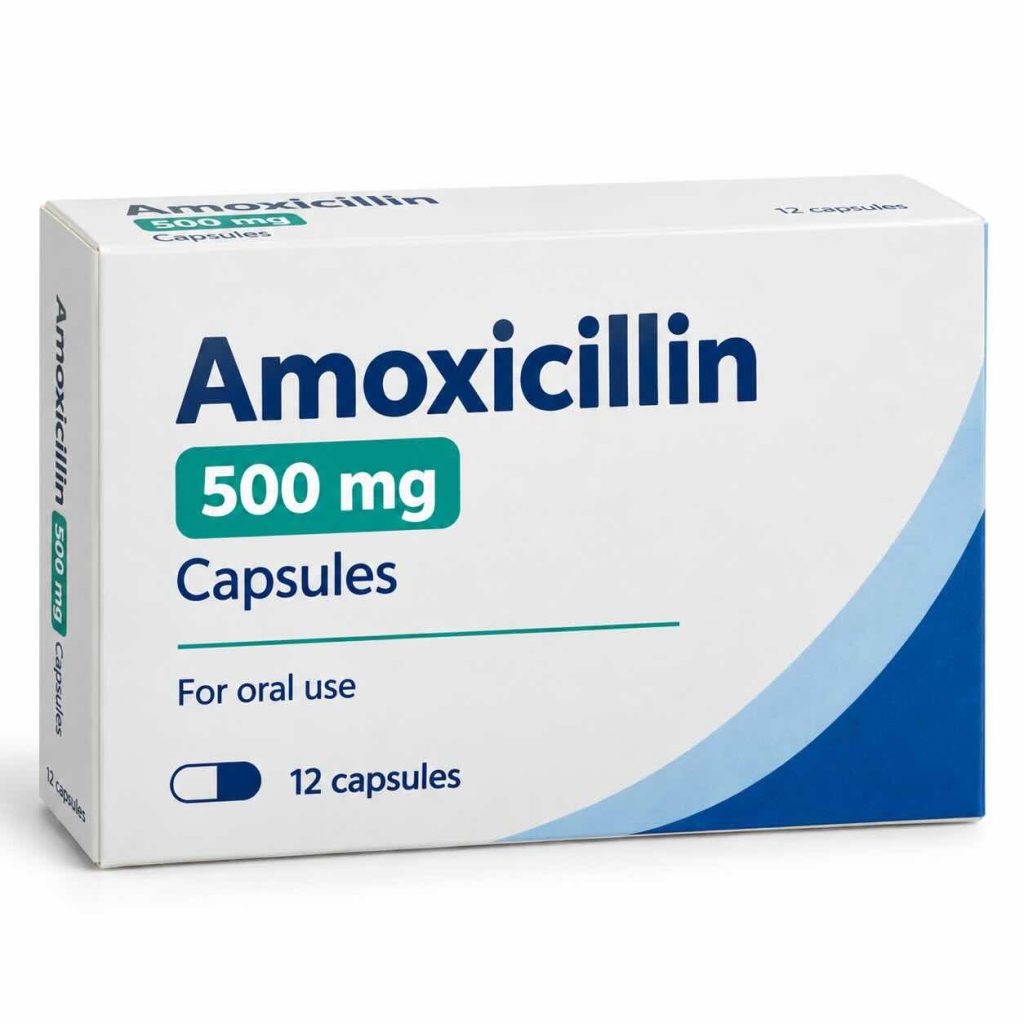
Amoxicillin Offers from Mexican Pharmacies
Disclaimer! This website is intended for general information only and does not operate as an online pharmacy. Speak with a doctor or another qualified healthcare professional before buying or using any medication.
Forms and Options Available in Mexico
Amoxicillin in Mexico is sold in more than one form, and this is worth checking before ordering because two boxes with the same active ingredient can be intended for quite different patients or dosing schedules. The exact selection changes by manufacturer and pharmacy, but current Mexican-market listings include the following common presentations:
| Form | Common Options | What to Know |
|---|---|---|
| Capsules | 500 mg | One of the most common adult presentations; some generic product listings also include 250 mg capsules. |
| Coated tablets | 875 mg | Higher-strength tablets are available in products intended for dosing schedules selected by the prescriber. |
| Oral suspension | 250 mg/5 mL | A liquid form that allows the measured dose to be adjusted more easily, including for pediatric use. |
| Oral suspension | 500 mg/5 mL | A more concentrated liquid presentation available in the Mexican market. |
Package quantity can also differ between manufacturers. For example, current Mexican listings show 500 mg Amoxil capsules in boxes of 9, 12 or 16 capsules, while the 875 mg tablet presentation is sold in different tablet counts. The strength on the prescription should therefore be checked separately from the number of tablets or capsules in the box.
What Is Amoxicillin Used For?
Amoxicillin is used when the infection is caused, or strongly suspected to be caused, by bacteria that are susceptible to it. The exact choice still depends on the site of infection, local resistance patterns and the patient’s medical history, so the same symptoms do not automatically mean that amoxicillin is the right antibiotic.
- Ear, nose and throat infections. Amoxicillin is commonly used for bacterial infections involving the middle ear, throat and other parts of the upper respiratory tract. Mexican prescribing information also includes conditions such as otitis media, sinusitis and pharyngotonsillitis among the infections for which susceptible organisms may be treated with amoxicillin.
- Lower respiratory infections. It may be prescribed for susceptible bacterial infections affecting the lower respiratory tract, including certain cases of pneumonia and bacterial exacerbations of chronic bronchitis.
- Urinary, skin and soft-tissue infections. Amoxicillin can also be used against susceptible bacteria responsible for some genitourinary and skin infections. This is an area where bacterial susceptibility matters particularly closely, because resistance can make amoxicillin alone unsuitable.
- Helicobacter pylori treatment. Amoxicillin also has a place in treatment regimens for H. pylori, the bacterium associated with many peptic ulcers. In this situation it is not normally used by itself, but as one part of a combination treatment selected by a clinician.
Safety Information
Contraindications. Amoxicillin should not be used by someone who has previously had a serious hypersensitivity reaction to amoxicillin or another beta-lactam antibiotic, including penicillins and certain cephalosporins. A history of anaphylaxis or a severe skin reaction is especially important to tell the prescriber about before treatment begins.
Side effects. Diarrhea, nausea, vomiting and rash are among the more commonly reported reactions. Severe allergic symptoms, persistent or severe diarrhea, blistering or peeling skin, or another rapidly worsening reaction need medical attention instead of simply waiting for the course to finish.
Drug interactions. The prescriber should know about other medicines being used, especially oral anticoagulants, probenecid and allopurinol. These combinations can affect amoxicillin levels, bleeding monitoring or the likelihood of a rash, and another antibiotic can also change how a treatment regimen should be handled.