
Rybelsus is oral semaglutide, a medicine whose tablet form can make its daily routine look simpler than it really is. It belongs to the GLP-1 receptor agonist group and is used with diet and exercise to improve blood glucose control in adults with type 2 diabetes under the Mexican product information. Unlike an ordinary tablet that can be taken with breakfast, Rybelsus depends on a very specific empty-stomach routine for reliable absorption.
The same active ingredient also appears in injectable products, but that does not make the formulations interchangeable milligram for milligram. The exact brand, route, strength and instructions should be checked before comparing offers or changing treatment.
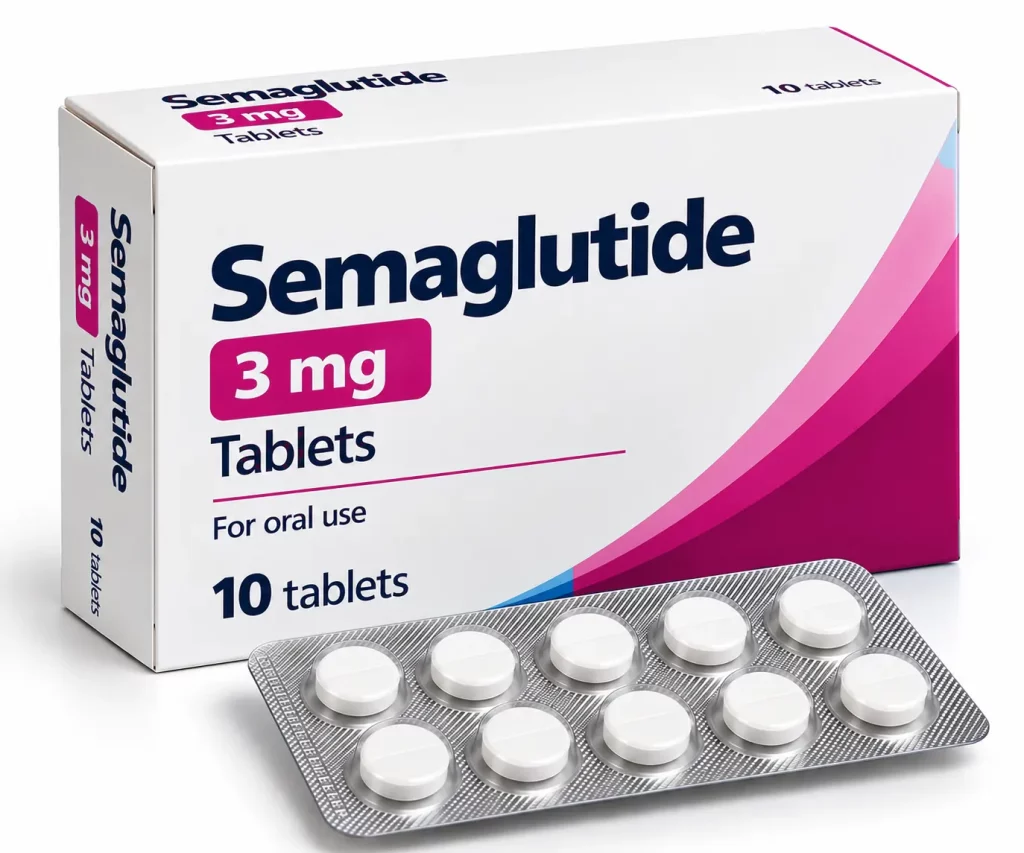
Rybelsus Tablet Prices in Mexico
Oral semaglutide options across Mexico
-
Best Offer Farmacia Mexicana GenericUSD $539.99 View offer
-
Farmacias Guadalajara BrandUSD $86.32
-
Farmacias del Ahorro BrandUSD $98.68
-
Farmatodo BrandUSD $113.93
-
Vitau BrandUSD $115.21
Disclaimer! This website is intended for general information only and does not operate as an online pharmacy. Speak with a doctor or another qualified healthcare professional before buying or using any medication.
When to Take Prednisolone Tablets
The administration instructions are unusually important because food, other drinks and other oral medicines can interfere with absorption. The Mexican product information describes taking the tablet after an overnight fast, with plain water only, then waiting before breakfast and other oral medicines.
- Take the tablet on an empty stomach. Use no more than 120 mL of plain water. Coffee, juice and other drinks are not substitutes.
- Swallow it whole. Do not split, chew or crush the tablet.
- Wait at least 30 minutes. Food, drinks and other oral medicines come after the waiting period, according to the prescribed instructions.
Someone who already takes several morning medicines may need help arranging the schedule. The solution is not to shorten the wait or to take all the tablets together. The prescriber or pharmacist can review the full routine and explain how to fit it into the patient’s day.
Why the First Month Is Different
The 3 mg strength is the starting step in the Mexican Rybelsus instructions, followed by a later review and a move to a maintenance strength when appropriate. This matters because a customer comparing prices may see the starting box as a monthly treatment choice in its own right. The treatment plan is not determined by which strength has the best promotion. The initial period allows the body and the prescriber to assess tolerability before the next strength is considered.
A change in strength is also not a simple response to a single glucose reading. The clinician considers the broader pattern of blood glucose, other diabetes medicines, side effects and the patient’s goals. If nausea or another problem is making the starting routine difficult, moving to a higher strength because a calendar month has passed may not be appropriate without review.
People who have been using another semaglutide product need an additional conversation. The numbers on oral and injected products describe different formulations and schedules. A switch should be planned using the relevant product instructions, not calculated from the milligrams printed on the packages.
Why a U.S. Rybelsus Search Can Confuse a Mexican Order
Mexico-facing Rybelsus information and current Mexican pharmacy listings show the familiar 3 mg, 7 mg and 14 mg oral tablets. A U.S. search can now show another set of Rybelsus tablet strengths: 1.5 mg, 4 mg and 9 mg. The U.S. FDA label calls these different formulations, R1 and R2, and explicitly says they are not substitutable milligram for milligram. This is a labeling difference a cross-border shopper may encounter before they even reach a pharmacy offer.
The two number sequences should not be read as a price ladder. A person prescribed a Mexican 7 mg tablet should not order a U.S. 9 mg or 4 mg tablet on the assumption that a higher or lower printed number gives a predictable effect. The clinician needs to identify the formulation and follow the relevant switching instructions if a change is intended. The same caution applies when a search result includes an Ozempic injection: it also contains semaglutide, but it is a different product and route.
For a Mexican offer, the practical question is therefore not merely “how many milligrams?” It is “which exact oral Rybelsus formulation is this, under which country’s product information, and does it match the current prescription?” The pharmacy can confirm the physical package and strength in stock; the prescriber should resolve any proposed change between formulations. That distinction is specific to Rybelsus and matters more than comparing two boxes by total price.
Rybelsus Is Not an Injectable Semaglutide Dose
Rybelsus, Ozempic and Wegovy all bring the word semaglutide into a search, but they are distinct products with different routes, strengths and approved uses. A 7 mg oral tablet cannot be read as the equivalent of a 7 mg injection, and a person should not build a switching schedule from the numbers on two packages. Any change between products belongs with the clinician managing the diabetes treatment.
Using It Alongside Other Diabetes Medicines
Rybelsus may be used on its own in selected patients or alongside other medicines for type 2 diabetes. The combination affects what needs to be monitored. When insulin or a sulfonylurea is part of the treatment, low blood glucose becomes a more important concern. A clinician may need to review the doses of those medicines as semaglutide is introduced, while the patient needs to know which symptoms and readings should prompt contact.
Other oral medicines create a different practical issue: the morning waiting period. Taking them at the same time as Rybelsus can change how the semaglutide tablet is absorbed. A patient who uses thyroid medication, blood pressure tablets or several morning prescriptions should show the full list to the pharmacist. The goal is a schedule that follows the Rybelsus instructions and still makes sense for the other treatments.
Blood glucose records are more useful than a single number when treatment is reviewed. They can show whether the overall pattern is changing and whether a low reading is associated with another diabetes medicine, missed food or a new routine. The prescriber can then decide whether Rybelsus, the companion medicines or the monitoring plan needs adjustment.
Watching for Digestive Side Effects
Nausea or a feeling of fullness can make the first weeks of treatment inconvenient even when symptoms are not dangerous. More persistent vomiting or diarrhea is different: losing fluids can lead to dehydration and may worsen kidney function. A patient who cannot keep fluids down or who develops severe, continuing abdominal pain should seek medical advice rather than trying to push through until the next routine appointment.
Side effects also belong in a discussion about whether and when the strength should change. It is not useful to compare only the glucose result if the medicine is making eating or drinking difficult. The clinician can weigh benefit, tolerability and other causes of symptoms before altering the plan.
Storage and the Original Package
The Mexican product information says to keep the tablets in their original blister to protect them from light and moisture and to store them at no more than 30°C. That detail is more than neat packaging: moving tablets into a weekly organizer may remove the protection provided by the original blister. The box and instructions should stay with the medicine.
If a Morning Dose Is Missed
The Mexican instructions say to skip a missed dose and take the next dose the following day. Doubling up later is not the way to make up for a missed morning. A missed dose may also reveal that the routine is too difficult to sustain, particularly when work hours, travel or other morning medicines change the schedule. That is worth discussing with the pharmacist or prescriber.
A person should also check the package before traveling. The tablets need their original blister and protection from heat and moisture, and the prescribed medicine should be clearly identifiable. These practical details matter more for Rybelsus than they might for a tablet that can be moved into a weekly pill organizer without changing its storage conditions.
Taking Rybelsus the Right Way
Oral semaglutide is unusual because the amount that reaches the body depends heavily on how the tablet is taken. The instructions are therefore not a minor preference for morning dosing. Plain water, an empty stomach, swallowing the tablet whole and waiting before food or other oral medicines are part of the product’s design. A patient who takes the tablet with coffee on workdays but correctly on weekends may create a less predictable routine even though the tablet strength never changes.
The best plan fits the patient’s real morning. A person who starts work very early, takes levothyroxine, or uses several other tablets upon waking should discuss the order and timing with a pharmacist or prescriber. Moving one medicine may be possible; skipping a required medicine or shortening the Rybelsus waiting period on one’s own is not an adequate fix. Written instructions for the whole morning can make a complicated regimen more manageable.
A missed dose is handled differently from a late breakfast. The Mexican product information says to skip a missed tablet and take the next dose the following day. Taking two tablets together does not compensate for an earlier omission. Repeated missed doses are worth discussing because the problem may be the routine itself, rather than the selected strength.
Starting Treatment Before Comparing Long-Term Costs
The 3 mg box appears prominently in searches and may cost less than a higher strength, but it has a specific place in the labeled sequence. It is used to start treatment before moving to a maintenance strength as directed. A patient should not continue buying it indefinitely because the box is cheaper, nor move to another strength because a promotion expires. Glycemic response, tolerability and the current prescription control that decision.
| Question at a refill | Why it matters |
|---|---|
| Which strength was prescribed now? | The starting and subsequent strengths have different roles. |
| How many tablets are in this pack? | Different pack counts cannot be compared by total price alone. |
| Are nausea or vomiting affecting intake? | Tolerability may change the escalation plan. |
| Which other diabetes medicines are used? | Insulin or sulfonylureas can change hypoglycemia risk. |
| Can the morning routine be followed? | Absorption depends on administration conditions. |
The table makes clear why a retail listing cannot determine the next step. The least expensive pack might be the wrong strength, the wrong number of tablets or a product that does not fit a patient’s current schedule.
Safety Information
Nausea, diarrhea and vomiting are common enough that patients should know how to report them, especially when they interfere with drinking or eating. Persistent fluid loss can cause dehydration and worsen kidney function. Severe and continuing abdominal pain, particularly if it radiates to the back, requires medical assessment for possible pancreatitis. Upper abdominal pain with fever or yellowing of the skin may point toward gallbladder disease.
- Low blood glucose: risk is higher when Rybelsus is used with insulin or a sulfonylurea; the clinician may need to review those companion doses.
- Eye disease: report changes in vision, especially with a history of diabetic retinopathy.
- Thyroid history: disclose personal or family medullary thyroid carcinoma and MEN2; these are contraindications in U.S. labeling.
- Pregnancy planning: discuss the plan well in advance because semaglutide remains in the body for a prolonged period.
- Severe allergy: swelling, trouble breathing or other serious reactions require urgent care.
A side effect should be described with timing, severity and what the patient was able to eat and drink. That helps distinguish a manageable early symptom from a problem that calls for a pause, an examination or another treatment. Raising the dose while significant gastrointestinal symptoms remain unresolved should be a clinical decision, not an automatic calendar event.
Semaglutide Products Are Not a Milligram-for-Milligram Swap
Rybelsus tablets, Ozempic injections and other semaglutide products can appear together in searches because they share an active ingredient. Their routes, dose schedules, approved indications and delivery systems differ. A weekly injection is not a larger version of a daily tablet, and an oral strength should not be converted into an injection amount by comparing printed numbers.
If a clinician plans a switch, the written plan should say when the previous product ends and the new one begins. It should also address other glucose-lowering medicines and what readings or symptoms to monitor. Stock shortages, shipping delays or a cheaper offer should be brought to the clinician, not solved by substituting one semaglutide product independently.
Storage, Travel and the Original Blister
The Mexican Rybelsus information says to keep the tablets in the original blister, protected from light and moisture, and at no more than 30°C. A weekly pill organizer may be convenient for other treatments, but removing these tablets from their blister defeats the package protection specified for this product. Keeping the carton also preserves the strength and directions for a later check.
Travel adds two practical questions. First, can the tablets be kept within the labeled storage conditions rather than left in a hot car or damp bag? Second, can the person maintain the morning routine across early departures and time-zone changes? Those questions are worth planning before the trip. The patient should carry the original labeled package and ask the pharmacist about any uncertainty rather than invent a replacement schedule after a missed day.
At delivery, check the pack count, strength, expiration date and condition of the blister. A damaged package or a different strength should be resolved with the dispensing pharmacy before use. The photograph on a comparison card is an illustration, while the labeled product received is what the patient actually takes.
How a Clinician Judges Whether Treatment Is Helping
A single glucose reading cannot show the whole effect of Rybelsus. Food, activity, illness, sleep and other medicines can all change one day’s result. The clinician usually looks at a broader pattern and at measures such as HbA1c over time, alongside whether the patient can actually follow the morning administration instructions. A promising laboratory result is less useful if nausea, vomiting or a complicated routine makes the treatment unsustainable.
The follow-up conversation can therefore cover three separate questions. Is blood glucose control moving toward the agreed goal? Are side effects tolerable? Is the medicine being taken under the conditions needed for absorption? Those questions may lead to different next steps. A patient with little change in glucose but inconsistent administration has a different problem from a patient taking the tablet correctly and experiencing persistent gastrointestinal symptoms.
Weight may change during treatment, but it should not be the only measure of success for a person using Mexican-labeled Rybelsus for type 2 diabetes. A change in appetite may be welcome to one patient and difficult for another. The prescriber can interpret it alongside glucose, nutrition, hydration and other health goals instead of assuming that the largest weight change is the best result.
A written record can be brief: the current strength, the date it began, morning administration timing, relevant glucose readings, and any nausea or missed doses. That gives the clinician enough context to discuss the next box. It also helps a pharmacist distinguish a refill at the same strength from a new treatment step.
Spacing Rybelsus and Other Medicines
Many adults with type 2 diabetes also take medicines for blood pressure, cholesterol or thyroid disease. Rybelsus has to be taken before food and other oral medicines, so a pre-existing “take everything with breakfast” routine may no longer fit. Some companion medicines have timing requirements of their own. The safe approach is a complete medication schedule written with a pharmacist or prescriber, not a rule copied from another patient’s morning.
Levothyroxine deserves special attention because changes in exposure have been observed when it is taken with oral semaglutide, and the two products both have fasting instructions. A clinician may decide that thyroid monitoring or a specific timing plan is needed. Likewise, insulin or a sulfonylurea changes the discussion because hypoglycemia risk may increase. These are distinct issues: one concerns absorption and timing, while the other concerns glucose-lowering effects.
Over-the-counter products belong on the list too. Vitamins, antacids and supplements may occupy the same morning window even if they are not clinically important interactions. The patient should know when they can be taken without breaking the Rybelsus waiting period. A small practical plan can prevent a surprising amount of confusion at home.
Details to Check Before Ordering
A pharmacy card can identify a listed strength, package count, manufacturer and price. It cannot show whether that strength is the patient’s next prescribed step, whether a recent dose was missed, or whether the person has a medical history that changes the risk-benefit decision. A lower price for 3 mg is not evidence that it is the best maintenance option, and a 14 mg promotion is not a reason to skip escalation steps.
| Visible in a listing | Needs confirmation elsewhere |
|---|---|
| Brand and tablet strength | Exact current prescription and formulation |
| Number of tablets | Whether the pack covers the planned interval |
| Retail price | Final price, stock and any delivery conditions |
| Product photograph | Condition and labeling of the actual blister supplied |
| “Semaglutide” in the title | Whether it is the specific oral product, not an injection or another formulation |
The comparison is most useful after those clinical questions have been settled. Then the patient can compare like with like: the same prescribed strength, the same product form and a clearly stated package count. If an offer looks unusually cheap because it is a smaller pack or a different formulation, the table helps explain why the headline price alone is not enough.