
Gabapentin is a medicine whose purpose can be easy to misunderstand when it appears beside ordinary pain treatments. It was developed as an antiseizure medicine, yet many people encounter it because of pain that begins in a damaged or irritated nerve rather than in a muscle or joint. In that setting, a stronger version of a standard painkiller is not necessarily the answer. Gabapentin changes the way certain nerve signals are handled, which is why a clinician may consider it for postherpetic neuralgia or another carefully assessed nerve-pain condition.
It is also used with other medicines for certain seizures. These are different treatment situations, and the reason for prescribing it affects how the dose is built up, how response is reviewed and how the medicine is eventually stopped. The number printed on the capsule is only one part of that plan.
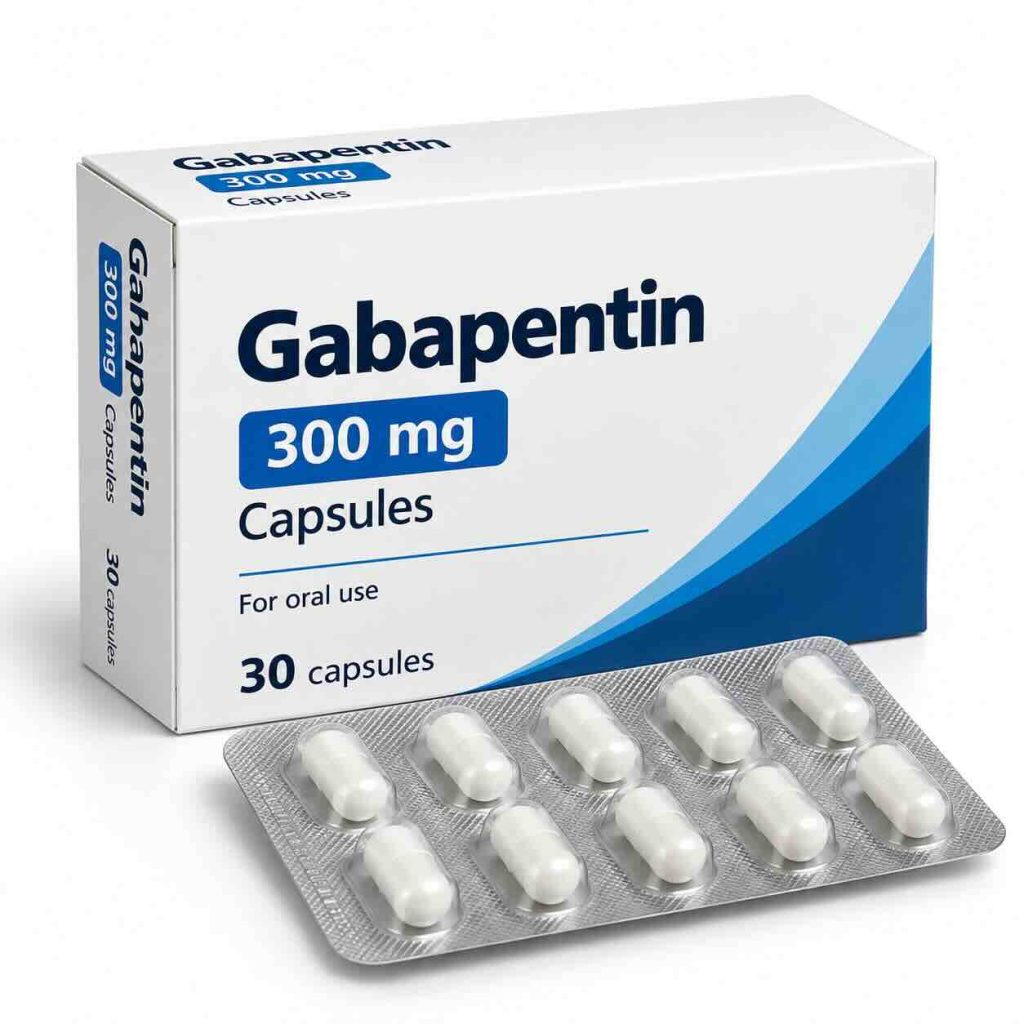
Gabapentin Capsule Options
Capsule choices from partner pharmacies
-
Best Offer Farmacia Mexicana GenericUSD $52.99 View offer
-
H-E-B — Gabapentina GenericUSD $5.63
-
Farmacias Guadalajara — Pharmalife GenericUSD $6.46
-
Prixz — AMSA GenericUSD $7.24
-
Farmacias Benavides GenericUSD $8.69
Disclaimer! This website is intended for general information only and does not operate as an online pharmacy. Speak with a doctor or another qualified healthcare professional before buying or using any medication.
Where Gabapentin Fits in Treatment
The best-established uses depend on the particular product and prescribing information. Gabapentin is used as an additional medicine for some partial seizures, and it can relieve postherpetic neuralgia, the persistent nerve pain that may remain after shingles. Clinicians may also prescribe it for other neuropathic pain conditions after considering the patient and the evidence for that use. It should not be presented as a general remedy for every type of pain.
That distinction is useful when symptoms are described simply as “burning” or “tingling.” Those words can point toward nerve pain, but they do not identify its cause. Diabetes, shingles, a compressed nerve and other problems can produce sensations that sound similar while needing different investigations and treatment plans. The medicine may reduce a symptom without removing the condition responsible for it.
What Improvement Can Look Like
Nerve pain is not always measured well by asking whether it has disappeared. A person may still notice the same sensation, but find that it interrupts sleep less often or no longer makes ordinary movement so difficult. Another person may experience little change in pain but enough dizziness to make treatment hard to continue. Both outcomes matter when the prescriber reviews whether gabapentin is helping.
For that reason, it can be useful to describe the problem before treatment starts: where the pain is, what it feels like, when it is worst and which daily activities it disrupts. A review later can compare those same details instead of relying on a vague impression that the medicine “worked” or “did not work.” The goal of treatment depends on the underlying condition and the patient’s priorities, and it should be discussed rather than assumed from the capsule strength.
Seizure treatment is a different kind of assessment. A patient taking gabapentin as part of an epilepsy regimen should not use a pain score or a few symptom-free days to decide that the medicine is unnecessary. Changes to an antiseizure plan need to be coordinated with the clinician who follows the seizures.
How Gabapentin Varies in Mexico
Mexican pharmacy listings show both branded and generic gabapentin. A familiar strength does not guarantee the same package size, and a package with a similar-looking name may contain an additional active ingredient. Checking the full label matters more than comparing the front of the boxes.
| Mexican listing example | Presentation | Why it matters |
|---|---|---|
| Neurontin | 300 mg capsules, 30 count | Brand-name gabapentin. |
| Generic gabapentin | 300 mg capsules, 15 or 30 count | The strength may match while the number of capsules differs. |
| Generic gabapentin | 400 mg capsules, 15 count | A different strength requires a separate prescription check. |
Some Mexican products combine gabapentin with tramadol. That is not another presentation of plain gabapentin: tramadol adds an opioid medicine and changes the risks and prescribing decisions. A customer looking for gabapentin alone should compare the active-ingredient line before considering price.
Starting, Continuing and Stopping
Gabapentin is often introduced gradually so the prescriber can see whether the patient benefits without making dizziness or sleepiness unnecessarily difficult to manage. The dose may also need adjustment when kidney function is reduced, because the body clears the medicine through the kidneys. Two patients with the same symptom and the same box therefore may still have different instructions.
Response is usually judged over time rather than after a single capsule. If the medicine is being used for nerve pain, a useful review asks whether sleep, daily activity or the painful sensation itself has changed enough to justify continuing it. For seizure treatment, keeping doses consistent is particularly important. Stopping suddenly can cause withdrawal symptoms and may increase seizure risk; the prescriber normally plans a gradual reduction when treatment needs to end.
Why Kidney Function Changes the Plan
Gabapentin is cleared mainly through the kidneys. When kidney function is reduced, the same amount of medicine can remain in the body longer, so a standard-looking box does not automatically mean a standard schedule. The prescriber may use kidney test results to choose a different dose or interval. That becomes particularly relevant for older adults, people with known kidney disease and patients receiving dialysis.
There is a practical consequence for pharmacy comparison: a patient should not buy a higher-strength capsule simply because fewer capsules seem more convenient or less expensive. The prescribed unit strength may have been chosen to make a kidney-adjusted schedule possible. A different strength can make the instructions harder to follow even if the total number of milligrams on paper appears similar.
Formulations Are Not Automatically Interchangeable
The word gabapentin can appear on capsules, ordinary tablets, liquid products and extended-release products. Different formulations may have different instructions and approved uses. An extended-release tablet is not simply a larger ordinary tablet, and the timing of a liquid dose may be handled differently from a capsule schedule. The pharmacy should supply the formulation named on the prescription or confirm any proposed change with the prescriber.
This is also where the active-ingredient list needs another look. Mexican listings may place gabapentin/tramadol combinations beside plain gabapentin in search results. The added opioid changes the product completely, particularly for a person already using a sleeping medicine, another opioid or alcohol. The safe comparison is between exact products, not between search results that happen to share the word gabapentin.
Questions That Separate Nerve Pain From Other Pain
Before a clinician decides whether gabapentin has a place in treatment, the description of the pain needs more detail than a number from zero to ten. Does it follow a strip of skin after shingles, travel from the back down a leg, or appear in both feet? Is there numbness, weakness, a new rash or a change in walking? The answers can point toward different causes. Gabapentin may reduce some nerve-related symptoms, but it does not repair a compressed nerve, correct high blood glucose or treat the shingles virus itself.
New weakness, loss of bladder or bowel control, rapidly spreading numbness or a severe new headache needs prompt medical assessment. For less urgent symptoms, the examination, medical history and any test that could change the treatment plan matter more than the word “nerve” in a search result. A clinician may address the cause of the nerve injury as well as deciding whether a medicine for pain is useful.
When gabapentin is used, a written record can separate benefit from simply getting used to a symptom. Note when pain is worst, how often it wakes the patient and whether walking, dressing or work have become easier. Record side effects on the same page. Sleeping longer is not necessarily a good result if it comes with dangerous unsteadiness during the day.
What the Capsule Strength Does Not Tell You
Gabapentin is sold in several strengths, but a larger number on the pack is not a promise of better relief for every patient. Absorption does not rise in a simple straight line as the dose increases, while clearance changes markedly with kidney function. Those features help explain why the dose is built for the individual rather than calculated from the lowest price per milligram.
| Detail on the offer | What it answers | What it cannot answer |
|---|---|---|
| 300 mg or 400 mg | Amount in one capsule | How many capsules this patient should take |
| 15 or 30 capsules | Quantity in the package | Whether it covers the prescribed period |
| Manufacturer | Which product is offered | Whether the formulation can change without review |
| Online price | Cost of that listing | Whether the product suits the diagnosis |
A refill deserves the same care as a first purchase. If the manufacturer or capsule appearance changes, the patient can verify the name, strength, directions and quantity before taking the next dose. A different color alone does not prove that the medicine is wrong, but it is a reason to read the new label rather than rely on memory.
Antacids, Opioids and the Ordinary Medication List
An aluminum- or magnesium-containing antacid can reduce gabapentin absorption when the products are taken together. The label describes spacing gabapentin after that type of antacid. Someone who reaches for a stomach remedy at bedtime may therefore need a schedule that accounts for both products. The ingredients matter, so the pharmacist should see the actual antacid box rather than guess from its brand name.
Opioid pain medicines create a different concern. Combining them with gabapentin can increase sedation and the risk of serious breathing problems, especially in older people and those with respiratory impairment. Sleep medicines, alcohol and other products that slow the nervous system may add to that burden. Anyone already prescribed both medicines should have the combination reviewed and know that unusually slow breathing or hard-to-wake sleepiness needs urgent attention.
A medication review should include treatments started elsewhere. A dental prescription, an over-the-counter sleep aid or a hospital discharge can change the picture even when the gabapentin dose stays the same. Giving every treating clinician the same up-to-date list is more reliable than assuming that each pharmacy has the complete record.
Safety Information
Some effects can be discussed at a planned review; others should interrupt the plan. Mild dizziness after a dose change may lead the clinician to reconsider timing or titration. A fall, severe confusion or breathing difficulty needs faster attention. A new rash with fever, swollen glands or facial swelling may signal a serious drug reaction. Suicidal thoughts or marked changes in mood also deserve immediate clinical attention.
- Before treatment: disclose kidney disease, breathing problems, previous serious drug reactions and medicines that cause drowsiness.
- During a dose change: watch for balance problems, daytime sedation, swelling and changes in mood or behavior.
- If a serious symptom appears: contact a clinician promptly; difficulty breathing, severe allergy or inability to wake normally requires emergency care.
- Before stopping: ask for a plan. Abrupt withdrawal can cause symptoms and may increase seizure risk, particularly during epilepsy treatment.
These warnings are not a prediction that they will happen. They explain why a medicine sometimes described casually as a nerve-pain capsule still needs a clear reason for use, a dosing plan and follow-up. The person taking it should know which number to call if a problem develops outside a routine appointment.
When a Different Treatment May Be Discussed
If gabapentin is not helping enough or is difficult to tolerate, another option may be considered, but the answer depends on the diagnosis. Postherpetic neuralgia, diabetic neuropathy and a compressed nerve are different problems. Alternatives may include another medicine for nerve pain, a local treatment, rehabilitation or treatment aimed at the cause. A product with a similar purpose is not automatically an equivalent substitute.
A follow-up conversation is more useful when it is specific: what improved, what did not, what side effects occurred and whether the original diagnosis still explains the symptoms. For a person with seizures, the comparison also has to account for seizure control and the rest of the antiseizure regimen. Pharmacy stock should not determine an unplanned switch between medicines with different actions.
A Practical Check Before a Mexican-Pharmacy Order
- Read the complete active-ingredient line and exclude combination products unless they were specifically prescribed.
- Match the formulation, capsule strength and package count against the current prescription.
- Ask the dispensing pharmacy to confirm the manufacturer and the product actually in stock, since a listing image may be illustrative.
- Confirm that the medication schedule still works with kidney-adjusted instructions and other medicines.
- Keep the labeled package and prescriber’s directions together for a refill or follow-up visit.
These checks are especially important when comparing a 15-capsule generic listing with a 30-capsule branded listing. Price per box may be prominent, but the packages represent different quantities. The meaningful offer is the one that matches the prescription and can be supplied with clear dispensing information.
When Seizure Control Is the Reason for Treatment
For a person using gabapentin as an additional antiseizure medicine, success is not measured by whether a painful sensation fades. The clinician may ask how often seizures occur, whether their pattern has changed, whether doses are missed and how the medicine fits with the rest of the epilepsy regimen. A seizure diary can make that discussion more reliable than trying to remember every event at the end of a month.
Consistency matters because sudden changes can affect seizure control. A patient should not stop gabapentin after a quiet week, double a dose to compensate for a missed one, or replace it with a different capsule strength because the pharmacy has that one in stock. The appropriate response to a missed dose depends on the prescribed schedule and should be checked with the pharmacist or prescriber. A planned discontinuation usually requires a gradual approach.
Other changes can complicate the picture. Illness, sleep loss, alcohol, and the introduction or withdrawal of another antiseizure medicine may coincide with a new seizure pattern. The clinician needs this context before deciding that gabapentin itself has failed. If seizure frequency rises or a new kind of event appears, that information deserves timely review rather than waiting for the next routine refill.
What to Bring to a Medication Review
A useful review can be prepared in a few minutes. Bring the actual package, prescription directions, a current medicine and supplement list, and a record of the symptoms that prompted treatment. Note the date when the dose last changed. If the medicine was obtained from a different Mexican pharmacy this time, record the manufacturer and whether the capsule strength or appearance changed.
For pain treatment, describe the effect on sleep and daily function as well as pain intensity. For epilepsy, bring the seizure record and details of missed doses. In both cases, mention dizziness, falls, swelling, mood changes and daytime sleepiness. These details help the clinician decide whether to continue, adjust or reconsider the treatment. The box price does not answer that question.
The review is also a good time to ask what the next few weeks should look like. Some people expect immediate relief and stop when it does not appear after a day; others continue despite side effects because they assume no alternative exists. A clear follow-up date and goal can prevent both mistakes. The goal should be stated in the patient’s own terms, such as fewer nights interrupted by pain or fewer seizures, rather than only a capsule count.
Choosing Between Offers
A useful comparison records the active ingredient, capsule strength, quantity, manufacturer information and whether the product is gabapentin alone. A very low price for a 15-capsule pack is not directly comparable with a 30-capsule pack, and neither price explains whether the strength matches the prescription. Those details should be settled before the offer is treated as a substitute for the medicine already being used.
The manufacturer and package image can help identify the selected product, but a stock photograph should not be used as the final check. The medicine actually supplied may have updated packaging or a different maker within a pharmacy’s generic line. The label, active ingredients and strength on the dispensed package need to match what the patient and clinician agreed to use.